
When science paints the sky in shades of wonder
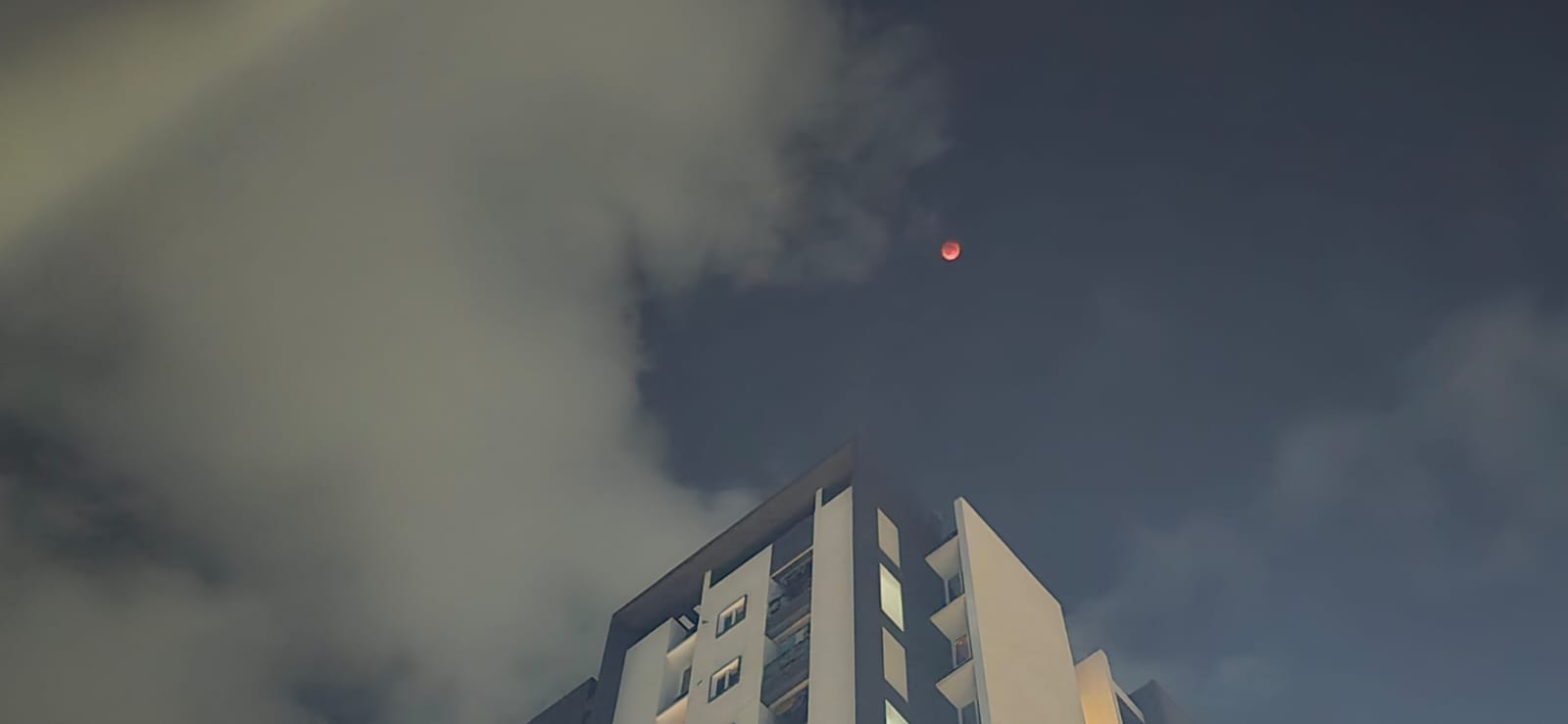
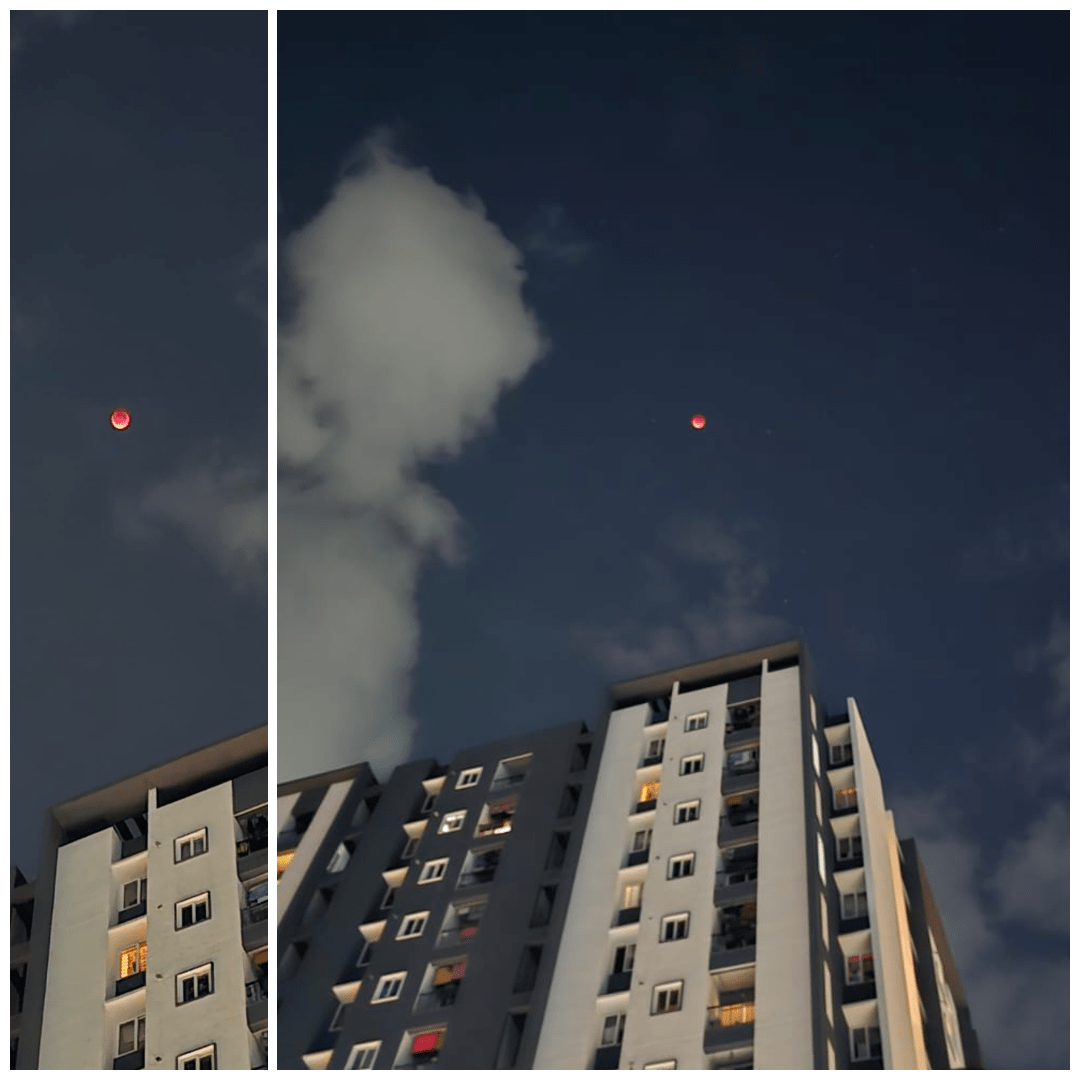
On September 7 - 2025, many of us stepped out to our balconies and spotted something unusual — the moon glowing deep red above our Casagrand Zenith skyline. For a moment, it felt like the sky had slipped into a dream. Phones came out, shutters clicked, and our community shared the same quiet “wow.”
But what we witnessed wasn’t just a pretty sight — it was part of a celestial performance known as a lunar eclipse, sometimes called a Blood Moon.
What actually happens during a lunar eclipse?
A lunar eclipse occurs when Earth moves directly between the Sun and the Moon.
Our planet casts a shadow on the Moon’s surface. When the alignment is perfect, sunlight can’t reach the Moon directly — instead, the light passes through Earth’s atmosphere before bending toward it.
Here’s the fascinating part: Earth’s atmosphere filters sunlight.
The shorter blue and green wavelengths scatter away (that’s why our sky looks blue during the day), while the longer red and orange wavelengths slip through.
This reddish light bends around Earth and softly lights up the Moon — turning it that haunting blood-red color we see from below.
So the Moon isn’t producing or reflecting red light on its own — it’s bathed in filtered sunlight passing through the air we breathe!
Why do people call it the “Blood Moon”?
The term “Blood Moon” is mostly poetic.
It describes the moon’s deep copper or crimson hue during a total lunar eclipse.
Different cultures have given it their own meanings — from a symbol of change and renewal to a sign of rare cosmic balance.
In modern science, it simply marks the moment when Earth’s shadow completely covers the Moon, creating that rich red glow.
How often does it happen?
Lunar eclipses occur two to four times a year, but total ones — where the entire Moon turns red — are rarer.
Depending on where you live, you might only get to see a full Blood Moon every couple of years.
The best part? Unlike solar eclipses, you don’t need special glasses — it’s completely safe to watch with the naked eye (or better, through binoculars or a camera lens).
A community moment under the red sky
At Casagrand Zenith, the night turned into an impromptu stargazing session.
Families pointed out the Moon to children, friends exchanged messages and photos, and balconies lit up with excitement.
Moments like these remind us that even within the city’s glow, nature’s wonders still reach us — sometimes quietly, sometimes dramatically.
As the red faded and the Moon returned to silver, it left behind more than pictures — it left us with a story of science and awe intertwined.